
Tank vs. Tankless Water Heaters: Which Is Better?
The best choice depends on your household, your existing setup, and your long-term plans.
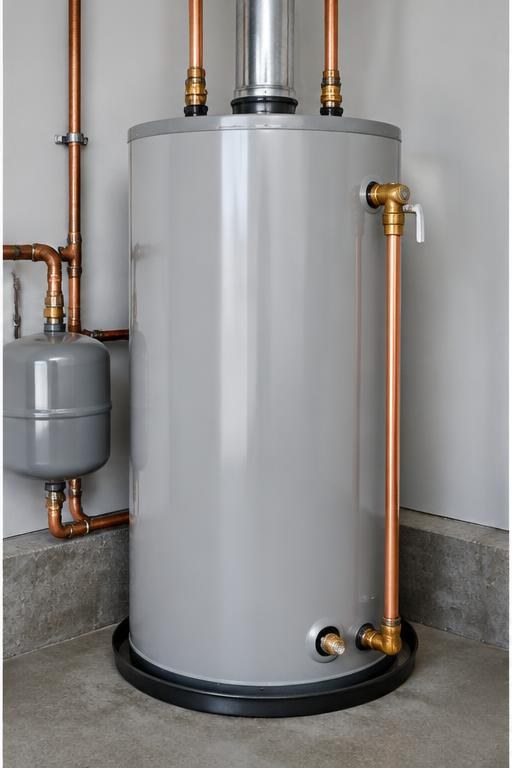
How a tank water heater works
A tank stores a supply of heated water. It is often straightforward to replace with a compatible unit, but capacity matters: long showers and simultaneous use can exceed the available hot water. The tank also loses some heat while water sits unused.
How a tankless system differs
Tankless equipment heats water as it flows. It does not have the same stored-water limit, but it does have a flow-rate limit. Incoming water temperature and simultaneous fixtures determine the output you need. An undersized system will not solve a busy household's demand.
Installation matters as much as equipment
Tankless installation may require changes to gas supply, venting, electrical service or water connections. Those changes affect cost and may require separate qualified trades. An assessment should identify these needs before you commit.
Maintenance and the total cost
Both types need maintenance according to the manufacturer's instructions. Mineral buildup can affect performance; tankless equipment may require periodic flushing. Compare equipment, installation, utility use and maintenance—not just the purchase price.
Choose for your home, not a trend
A properly selected tank can be an excellent fit. A correctly sized tankless system can be useful when space and usage patterns support it. Ask for the reasons behind each recommendation and a clear explanation of the work involved.
Need a hand with your home?
Benjamin can help you understand your options and plan the next step. Request service and we’ll confirm availability.
Water Heater ServicesThis article is general homeowner information, not a diagnosis or a substitute for professional evaluation.
Big problems. Honest solutions.
Tell us what’s happening. We’ll help you find the next step.